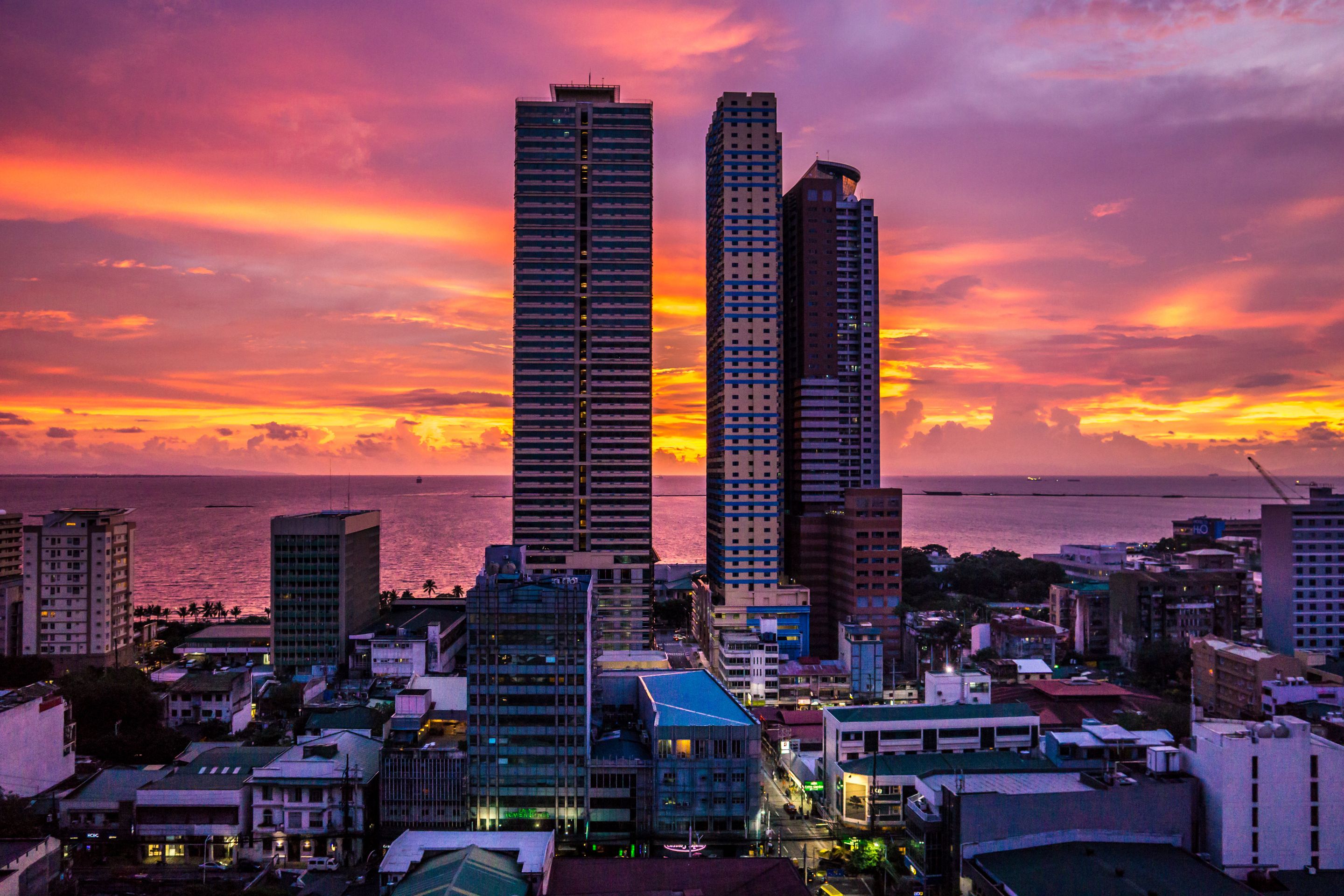
Philippines
Manila
14.0 million people in the metro
The gist
A deeply family-oriented, majority-Catholic megacity where English is universal and marriage is highly valued. The catch: the Philippines has no civil divorce, so this is a commitment-first market in the most literal sense.
The score, in four parts
The pool
How many people you could realistically meet, and how balanced the odds are.
Singles 25 to 34
966,000
Never-married people in their late twenties and thirties, estimated
Never married
48% / 44%
Men / women age 25 to 34 who have never married
Balance
More single men than women
107 single men per 100 single women, age 25 to 34
First marriage
28 / 26
Median age for men / women
The scene
Whether people here actually get married, and how open the city is to someone like you.
Want to marry
75%
Single adults who say they want to marry
How fast people marry
25 per 1,000
Weddings per 1,000 unmarried adults each year
Marrying foreigners
8%
Marriages between a local and a foreigner
How people meet
Apps 8/10
Matchmaking and singles events 5/10
The costs
What dating, marrying, and raising a family costs here, against what people earn.
Date night
$30
Dinner for two, drinks, a movie
Family rent
$700/mo
A 2-3 bed apartment, city-wide
A wedding
$5,000
Typical total cost
The reality
Safety, stability, and what daily life is like after the honeymoon phase.
Safety
Stay alert at night
50 out of 100
Divorce
Low divorce rate
0.1 per 1,000 people a year
Healthcare
60/100
Quality of care
English
Widely spoken
Everyday usability for a foreigner
The culture
Not scored. Whether these are features or mismatches depends on you.
- Religion shapes daily life
- Family approval matters
- Traditional roles common
- Living together first is rare
- Open to marrying foreigners
Marriage payment custom: None; family wedding sponsorship customary.
Marrying in Philippines
What the law says if you marry a Philippines national. Reviewed 2026-08-17. Informational, not legal advice.
- Spousal visa difficulty
- 3 out of 10, where 10 is hardest.
- Marriage process for foreigners
- Requires a marriage license from the local civil registrar (10-day posting period), a certificate of legal capacity to marry from the foreigner's embassy, birth certificate, and if previously married, proof of annulment or death of spouse. Church weddings are common and legally recognized.
- Path to citizenship by marriage
- No fixed timeline
- Property regime
- Default is absolute community of property (nearly all property shared). A prenup can establish a different regime before marriage.
- Prenup enforceability
- moderate
- Worth knowing
- Important: the Philippines has no civil divorce for its citizens. This is the single most consequential legal fact for a marriage-minded relocator. Annulment is slow and expensive. Informational, not legal advice.
* Some numbers come from national statistics and might differ from the city itself. Last updated August 22, 2026.